
شاشة LED للتاكسي أو شاشة LCD: أيهما تختار؟
About LCDs and LEDs. There are various factors to consider while deciding between the two, but there is no definitive solution.
However, due to the varying needs of different customers, we frequently confront two screens. Let’s put a stop to this by discussing the differences between taxi LED screens and taxi LCD screens!
LCD backlight
As the name implies, LCD (Liquid Crystal Display) is an electronic display device that converts light into electrical impulses. When current is applied, the liquid crystal changes state, which is most visible when the backlight shines through the liquid crystal layer to form an image.
A backlight is an artificial source of light that lights liquid crystal display (LCD) panels to improve understanding. LCD screen images cannot be viewed unless they are backlit. The polarizing filter is the bread (the top layer), the protective layer is the filling (the middle layer), followed by the inexpensive LCD screen, and finally a layer that controls the backlight (the bottom layer).
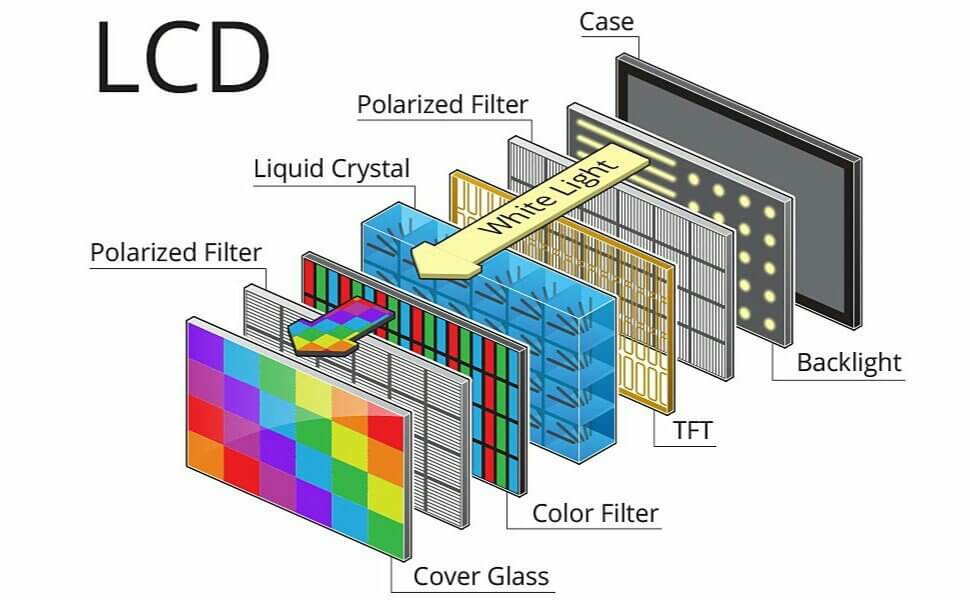
Difference between LCD and LED
The difference between an LED display and an LCD display is not particularly significant. Understanding the benefits, drawbacks, and benefits is crucial when selecting the finest display for your individual requirements.You must consider everything from size to brightness, contrast, durability, clarity, vibrancy, and a variety of other factors.
Pros:
Brightness: LED screens are substantially brighter than LCDs. They perform nicely even in direct sunshine and look great. You cannot always rely on ambient light.
Power consumption is one of the most critical considerations, and it is roughly ten times more efficient than a liquid crystal display. The structure of this LED display is also extremely energy-efficient.
LEDs offer a wider viewing angle than LCDs, allowing them to show graphics more clearly from various angles.
LED displays convert electricity into light, allowing for faster refresh rates. This leads to sharper videos with lower latency and ghosting. Furthermore, due of their wider color gamut, LED screens can display more colors than traditional displays.
Contrast: An LED display panel can vary the brightness of individual pixels, providing local dimming. This capacity enables smooth, uniform transitions between bright and dark over the entire screen, as opposed to LCDs, which only dim tiny areas of the screen at a time.The high contrast lets users to view the screen more clearly in a variety of settings, including strong sunshine and at night. The brightness can be easily modified, for example, based on the user’s preferences.

Working life: The typical lifespan of an LED screen is 15 years, whereas the average lifespan of an LCD panel is 8 years. However, LED screens continue to outperform because they live significantly longer.
Full-color LED displays offer higher color accuracy and vibrancy compared to traditional displays.
LED displays are more environmentally friendly than LCD displays since they do not need to be replaced as frequently and do not contain mercury, so they do not contribute to landfill debris when discarded. They also consume less power and last longer, wasting less natural resources.
LEDs are ideal for video walls because they have a wide viewing angle, are simple to use, and require little maintenance.
LCDs are ideal for tiled screens, although their bezels might be problematic. They may create visible gaps and barriers, and narrow areas can be problematic when constructing a display.
Size: An LED display can be produced in any size, but LCDs are often only available in the manufacturer’s conventional sizes.
Cons:
LEDs have a higher initial price point than LCDs. However, their longer lifespan and cheaper maintenance costs make them more competitive with LCDs.
Taxi LCD screen
Liquid crystal displays use a backlight to produce light rather than emitting it directly. LCD panels are typically employed in low-light, regulated conditions.
Pros:
Low price: Because LCD screens have been utilized in digital watches since the early 1970s, the price has dropped, allowing more people to purchase them.
Cons:
Thick and hefty structure: LED-backlit screens are now prevalent on mobile devices like laptops and tablets, and they are swiftly gaining popularity on desktop computers. Edge-lit technology allows the LEDs to be put on the screen’s sides rather than behind it, resulting in a smaller profile.
Not supporting 4k: While 4K videos are currently popular, their resolution is limited by LCD monitors.
LCD screens consume 20% to 50% more electricity than LEDs.
This essay aims to help you understand and compare the various benefits and drawbacks of LED and LCD displays. LEDs have several advantages over LCDs, including longer service life, reduced consumption, easier maintenance, greater display performance, and more.
To summarize, choose the appropriate screen based on your needs, rather than solely on price.